
Azores
Territory of Portugal
Out Score
coming soon.
Out Score coming soon.
We're freshly researching the laws for every identity lens against our updated methodology. Azores's scores will appear here once they're published.
Learn about Azores
Beyond the scoreLearn about Azores.Official names, languages, local time and practical context for understanding Azores beyond its legal score.
Destination overview
About Azores.
Islands Born from Fire
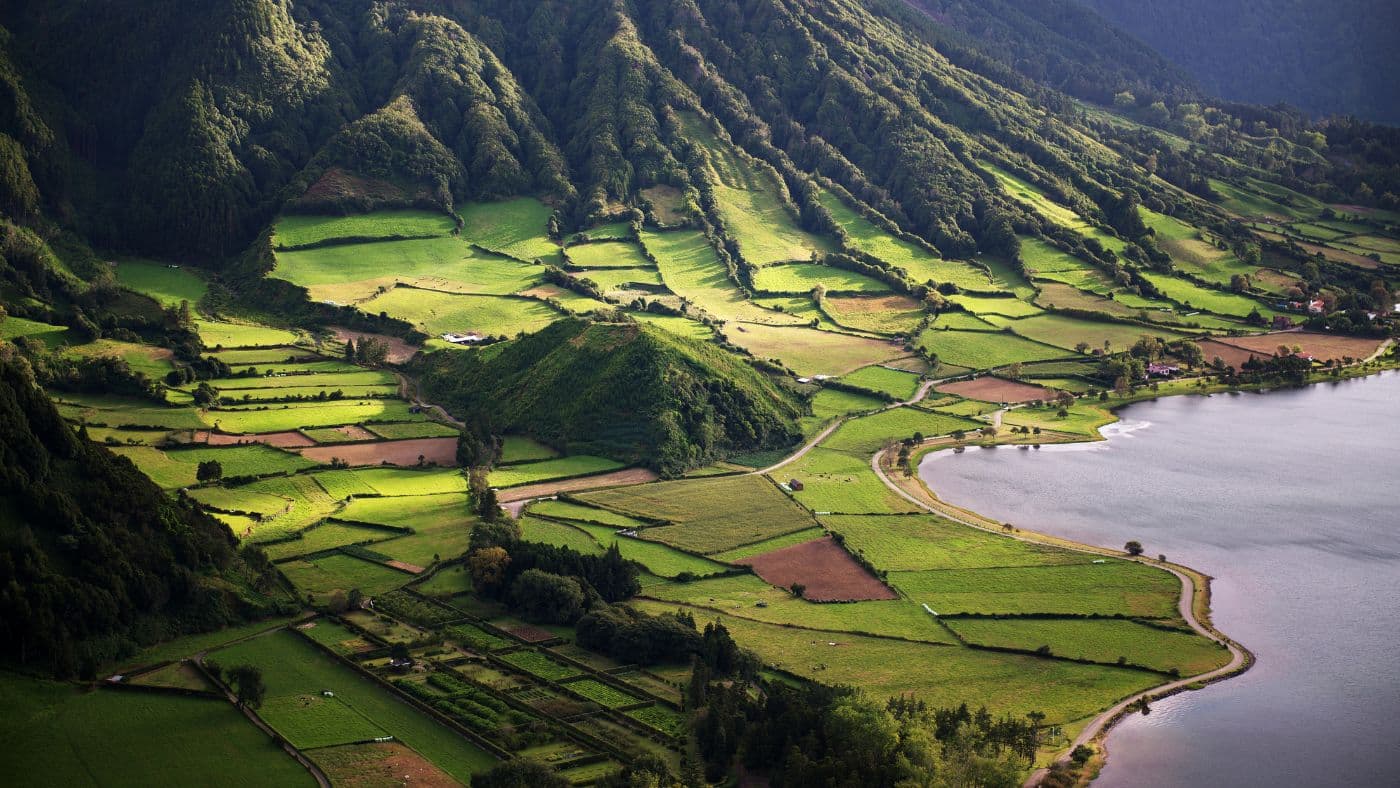
The Azores erupted from the Atlantic millions of years ago, and the volcanic energy that shaped these nine islands is still very much alive. Steaming fumaroles, emerald crater lakes and hot springs bubbling up through ancient lava rock make this archipelago feel like the edge of the earth remade as paradise. Sete Cidades, a twin lake split between blue and green inside a vast caldera, is one of the most breathtaking sights in all of Europe, and it rewards every visitor who makes the journey up into the clouds to find it.
Read more about Azores
An Outdoor Playground Without Equal
Hikers, divers, surfers and whale watchers all arrive with very different ambitions and leave equally delighted. São Miguel alone offers crater lake trails, geothermal beach pools at Furnas and surf breaks that Atlantic swells have been perfecting for centuries. Beneath the surface, nutrient rich waters attract blue whales, sperm whales and dolphins in extraordinary numbers, making the Azores one of the finest whale watching destinations on the planet. Whatever draws you outdoors, these islands will exceed the expectation.
Culture Rooted in the Atlantic
Settled by the Portuguese in the fifteenth century, the Azores developed a distinct identity shaped by isolation, the sea and a deep Catholic tradition. Whitewashed churches sit beside colourful hydrangea hedgerows, and every island town has its own festival calendar packed with processions, folk music and open hearted hospitality. Angra do Heroísmo on Terceira is a UNESCO listed city whose cobbled streets and baroque architecture tell five centuries of Atlantic history in a single afternoon stroll. The food is equally compelling: slow cooked cozido das Furnas, prepared underground in geothermal vents, is a meal you genuinely cannot have anywhere else on earth.
Nine Islands, Endless Possibilities
From the rugged cliffs of Flores to the black sand beaches of Faial and the serene beauty of Graciosa, each island in the Azorean archipelago has its own personality and its own reasons to linger. Inter island flights and ferries make hopping between them straightforward, and most visitors who came planning to see one find themselves extending their itinerary to see three or four. The Azores operate on Atlantic time, which is to say slowly and pleasantly, and the islands have a way of making every plan feel less urgent than the view in front of you.
Official and Indigenous Names
- Autonomous Region of the Azores (English)
- Região Autónoma dos Açores (Portuguese)
Regions
- Iberia
- Western Europe
Continent
- Europe
Resident population
236,657
2021 data
Capitals and seats of government
- Ponta DelgadaPDL · Administrative capital
- Angra do Heroísmo · Legislative and judicial capital
- Horta · Western group capital
Currency
- Euro (EUR · €)
Driving side
- right side of the road
Electricity
Language
Portuguese
Official by law · ISO 639-3: por
Current time and time zone
Azores TimeAZOT
Atlantic/Azores · Standard AZOT, daylight AZOST
Largest cities by resident population
- Ponta DelgadaPDL · 68,809
2021 data
- Angra do Heroísmo · 35,402
2021 data
- Ribeira Grande · 32,112
2021 data
- Horta · 14,994
2021 data
- Lagoa · 14,077
2021 data
Busiest airports by total passengers
- João Paulo II AirportPDL · 2,204,000 annual passenger movements
2023 data
- Lajes AirportTER · 612,000 annual passenger movements
2023 data
- Horta AirportHOR · 398,000 annual passenger movements
2023 data
- Santa Maria AirportSMA · 129,000 annual passenger movements
2023 data