
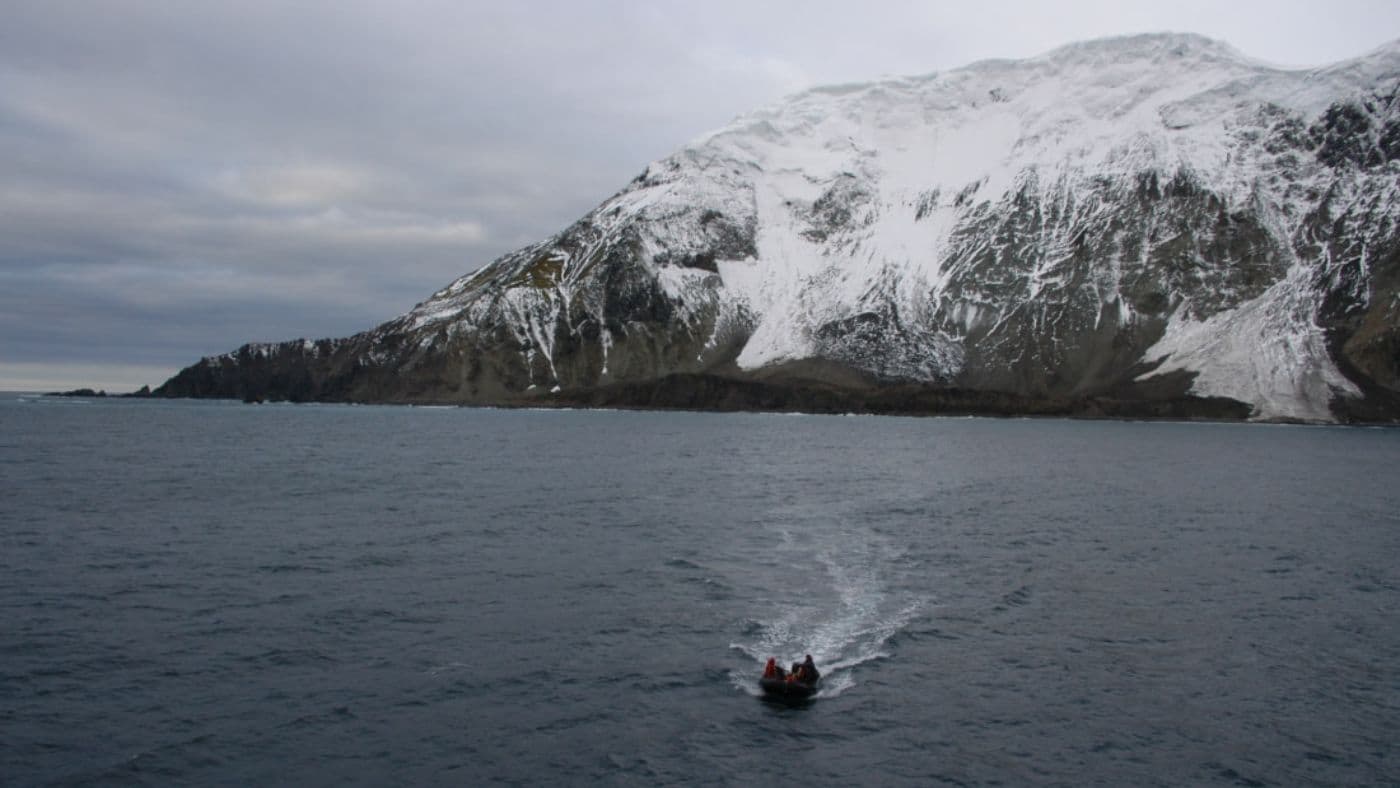
Bouvet Island
Territory of Norway
Out Score
coming soon.
Out Score coming soon.
We're freshly researching the laws for every identity lens against our updated methodology. Bouvet Island's scores will appear here once they're published.
Learn about Bouvet Island
Beyond the scoreLearn about Bouvet Island.Official names, languages, local time and practical context for understanding Bouvet Island beyond its legal score.
Destination overview
About Bouvet Island.
The Most Remote Island on Earth
Bouvet Island holds a singular distinction: it is the most remote island on earth, sitting in the South Atlantic Ocean roughly 1,700 kilometres from the nearest land at Queen Maud Land in Antarctica. No permanent population has ever made it home, and the island exists today as a Norwegian nature reserve of extraordinary scientific interest. If you are searching for utter, spectacular solitude, nothing on the planet comes closer to delivering it.
Read more about Bouvet Island
Ice, Rock and Elemental Beauty
Approximately 93 percent of the island's surface is covered by glaciers, with a volcanic peak, Olavtoppen, rising to 780 metres at the island's frozen heart. The coastline is dramatic and almost entirely hostile to landing, ringed by ice cliffs and violent Antarctic swells. On the rare occasions that visitors do set foot here, they find a landscape of raw geological power: black volcanic rock, shifting glacial ice, and skies that cycle through moody greys, brilliant blues and the occasional astonishing sunset.
Wildlife in a World Without People
In the complete absence of human habitation, Bouvet Island has become a thriving refuge for wildlife that has never learned to fear people. Chinstrap and macaroni penguins nest on the rocky shores, Antarctic fur seals haul out by the thousand, and seabirds wheel overhead in extraordinary numbers. The surrounding waters are among the most productive in the Southern Ocean, drawing whale species and vast schools of krill in a marine ecosystem operating entirely on its own terms.
Norwegian Administration and Occasional Science
Norway annexed Bouvet Island in 1927 and designated it a nature reserve in 1971. A small, unmanned meteorological and research station occupies the island on a periodic basis, and rare Norwegian scientific expeditions represent the sum total of human activity here. There is no airport, no harbour, no road, and no accommodation of any kind. The island cannot be visited without a dedicated polar expedition vessel and Norwegian governmental authorisation. It is, to put it plainly, not a typical travel destination, and that is precisely what makes it unforgettable in the imagination.
Official and Indigenous Names
- Bouvet Island (English)
- Bouvetøya (Norwegian Bokmål)
Region
- African Atlantic Ocean
Continent
- Antarctica
Resident population
No permanent population
Languages
Norwegian Bokmål
Official by law · ISO 639-3: nob
Norwegian Nynorsk
Official by law · ISO 639-3: nno
Norwegian Sign Language
Official in practice · ISO 639-3: nsl
Current time and time zone
Central European TimeCET
Europe/Oslo · Standard CET, daylight CEST