
Australian Antarctic Territory
Territory of Australia
Out Score
coming soon.
Out Score coming soon.
We're freshly researching the laws for every identity lens against our updated methodology. The Australian Antarctic Territory's scores will appear here once they're published.
Learn about the Australian Antarctic Territory
Beyond the scoreLearn about the Australian Antarctic Territory.Official names, languages, local time and practical context for understanding the Australian Antarctic Territory beyond its legal score.
Destination overview
About the Australian Antarctic Territory.
The Australian Antarctic Territory covers nearly 5.9 million square kilometres of East Antarctica, extending from the Southern Ocean across coastal ice, mountain ranges and the high polar plateau. It is an Australian external territory within the wider Antarctic Treaty system and has no permanent civilian population. Ice dominates the landscape, but exposed oases such as the Vestfold Hills and coastal islands reveal rock, lakes and wildlife habitat. The territory matters not as a conventional holiday region but as an immense natural laboratory where climate, ocean, atmosphere and ecosystems can be studied with unusually little local human disturbance.
Read more about the Australian Antarctic Territory
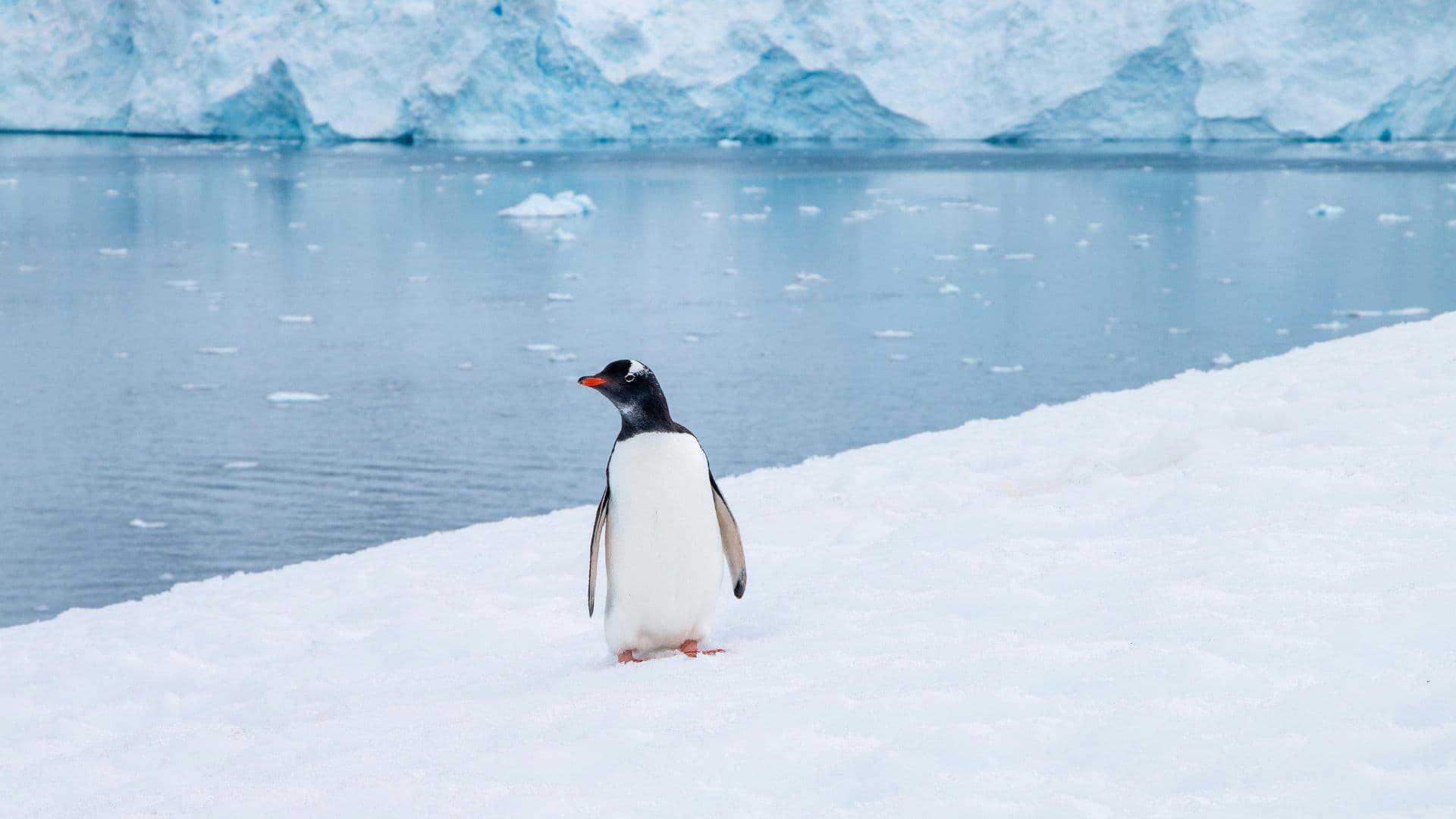
Australia maintains the year-round Casey, Davis and Mawson research stations, supported by Wilkins Aerodrome, field camps, aircraft and the icebreaker RSV Nuyina. Scientific work ranges from glaciology and atmospheric observation to marine ecosystems and long-term wildlife monitoring. Along the coast, Adélie and emperor penguins, seals and seabirds occupy ice edges and breeding sites, while the Southern Ocean supports whales and a food web built around krill. Historic places such as Cape Denison add the physical remains of early expedition life, but station and heritage visits depend on operational, safety and environmental approval rather than ordinary attraction opening arrangements.
The territory was transferred from Britain and established under Australian law in the 1930s, following an era of exploration associated with figures including Douglas Mawson. Since the Antarctic Treaty entered into force, activities across Antarctica have been framed around peaceful use, international scientific cooperation and the suspension of arguments over territorial sovereignty. The Environmental Protocol further treats Antarctica as a natural reserve devoted to peace and science. There is no Indigenous population or resident culture to interpret; its human story is instead one of exploration, science, logistics and international governance in an environment that can quickly overwhelm unprepared visitors.
Most Antarctic tourism visits the distant Antarctic Peninsula, while voyages to East Antarctica are much less frequent and generally travel by expedition ship from Hobart or New Zealand’s South Island during the austral summer. Australia’s programme vessels and aircraft carry scientists, support personnel and people on official duties, not ordinary tourists. Commercial operators and private expeditions need environmental authorisation, suitable equipment and advance arrangements for any station or protected-site visit. There are no public hotels, roads or independent transport networks. A journey here is a long, weather-dependent expedition, with biosecurity, wildlife distances and the expedition leader’s safety decisions governing every landing.
Official and Indigenous Names
- Australian Antarctic Territory (English)
Region
- East Antarctica
Continent
- Antarctica
Resident population
No permanent population
Language
English
Official in practice · ISO 639-3: eng
Useful phrases in English
- Hello
- Hello
- Goodbye
- Goodbye
- Please
- Please
- Thank you
- Thank you
- Excuse me
- Excuse me
Current times and time zones
Mawson TimeMAWT
Antarctica/Mawson
Davis TimeDAVT
Antarctica/Davis
Casey TimeCAST
Antarctica/Casey
Information reviewed 30 August 2026