
Ashmore and Cartier Islands
Territory of Australia
Out Score
coming soon.
Out Score coming soon.
We're freshly researching the laws for every identity lens against our updated methodology. Ashmore and Cartier Islands's scores will appear here once they're published.
Learn about Ashmore and Cartier Islands
Beyond the scoreLearn about Ashmore and Cartier Islands.Official names, languages, local time and practical context for understanding Ashmore and Cartier Islands beyond its legal score.
Destination overview
About Ashmore and Cartier Islands.
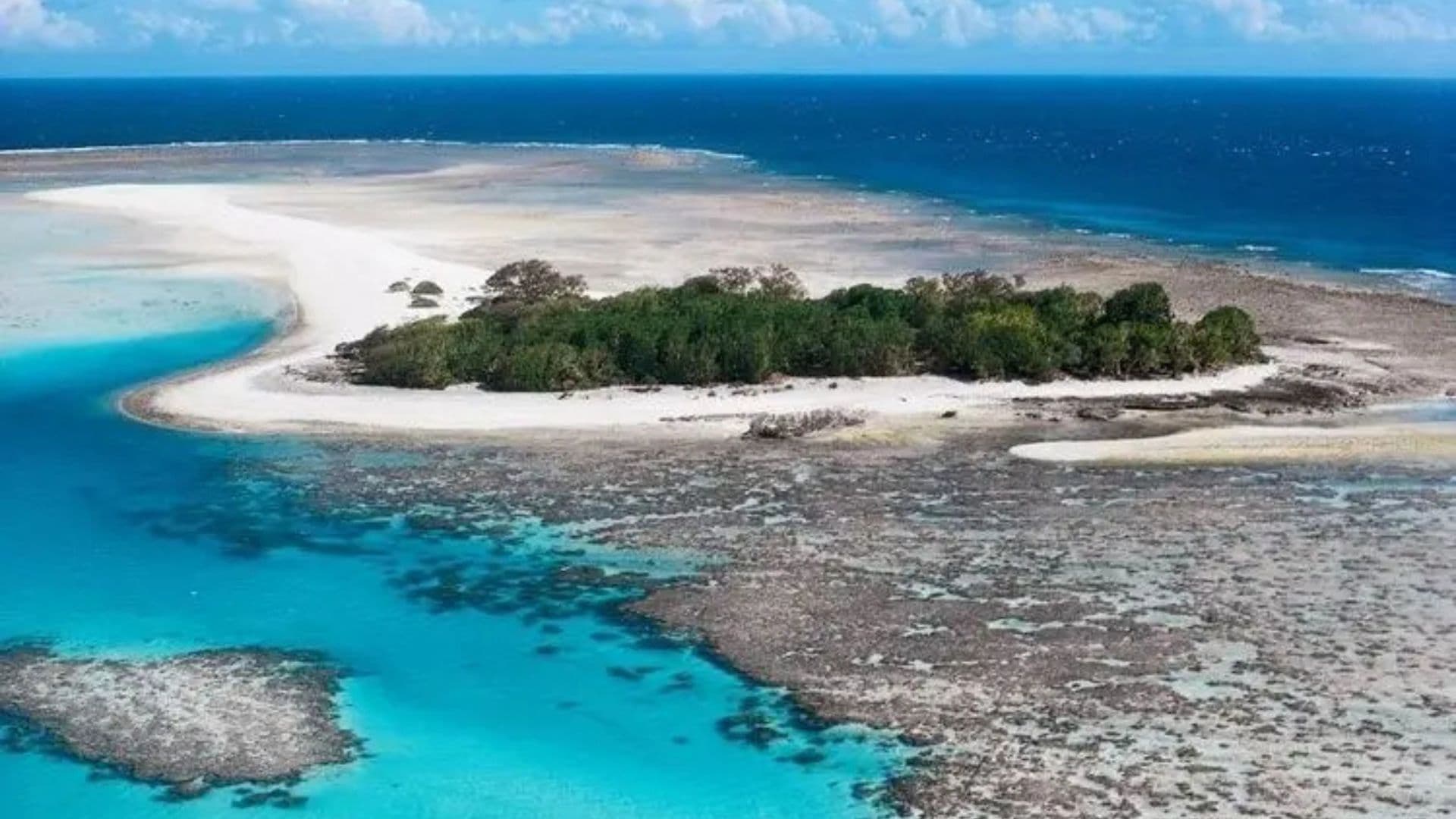
Ashmore and Cartier Islands form an uninhabited Australian external territory on the edge of the continental shelf in the Indian Ocean, about 320 kilometres off the north-west coast. The territory includes three low coral and sand islands at Ashmore Reef, Cartier Island and their surrounding territorial seas. It is a protected marine environment rather than a conventional visitor destination: there are no towns, roads or tourism facilities. Its importance lies in the reefs, breeding islands and long maritime connections between northern Australia and Indonesia, all of which require careful protection from disturbance.
Read more about Ashmore and Cartier Islands
Ashmore Reef supports extensive coral habitat, seagrass, marine turtles, sea snakes and large seabird populations, while Cartier Island and its surrounding reef add another distinct protected ecosystem. East and Middle islands are particularly important breeding areas and access is controlled. A permitted scientific or management visit may reveal lagoons, sand cays and crowded rookeries, but these are not places for casual beach use or independent sightseeing. The territory’s appeal is therefore best understood through its ecological significance and the work undertaken to monitor wildlife, manage fishing pressure and maintain one of Australia’s most remote marine reserves.
Indonesian fishers have used the area’s marine resources since at least the early eighteenth century, navigating with trade winds and local landmarks. European records followed in the early nineteenth century, and Britain later asserted possession before the islands became an Australian external territory in the 1930s. A 1974 memorandum between Australia and Indonesia recognises specified traditional fishing practices and allows traditional fishers to use the West Island lagoon, replenish fresh water and visit graves. This continuing connection is central to the territory’s human history and sits alongside modern conservation and border-management responsibilities.
There is no scheduled passenger service, public accommodation, visitor centre or local transport. Access is by suitable ocean-going vessel and is limited by environmental rules, permit requirements, weather, remoteness and the need for complete self-sufficiency. Some islands and reserve zones have tighter restrictions than others, so an authorised expedition must confirm its route and activities with the responsible Australian agencies before departure. Emergency support is distant and conditions can change quickly offshore. For most travellers, the responsible way to engage with Ashmore and Cartier Islands is through official research, conservation information and maritime history rather than attempting a recreational visit.
Official and Indigenous Names
- Territory of Ashmore and Cartier Islands (English)
Region
- Eastern Indian Ocean
Continent
- Asia
Resident population
No permanent population
Language
English
Official by law · ISO 639-3: eng
Useful phrases in English
- Hello
- Hello
- Goodbye
- Goodbye
- Please
- Please
- Thank you
- Thank you
- Excuse me
- Excuse me
Current time and time zone
Australian Western Standard TimeAWST
Australia/Perth
Information reviewed 30 August 2026