
Region of Murcia
Autonomous Community of Spain
Out Score
coming soon.
Out Score coming soon.
We're freshly researching the laws for every identity lens against our updated methodology. The Region of Murcia's scores will appear here once they're published.
Learn about the Region of Murcia
Beyond the scoreLearn about the Region of Murcia.Official names, languages, local time and practical context for understanding the Region of Murcia beyond its legal score.
Destination overview
About the Region of Murcia.
The Warm Coast
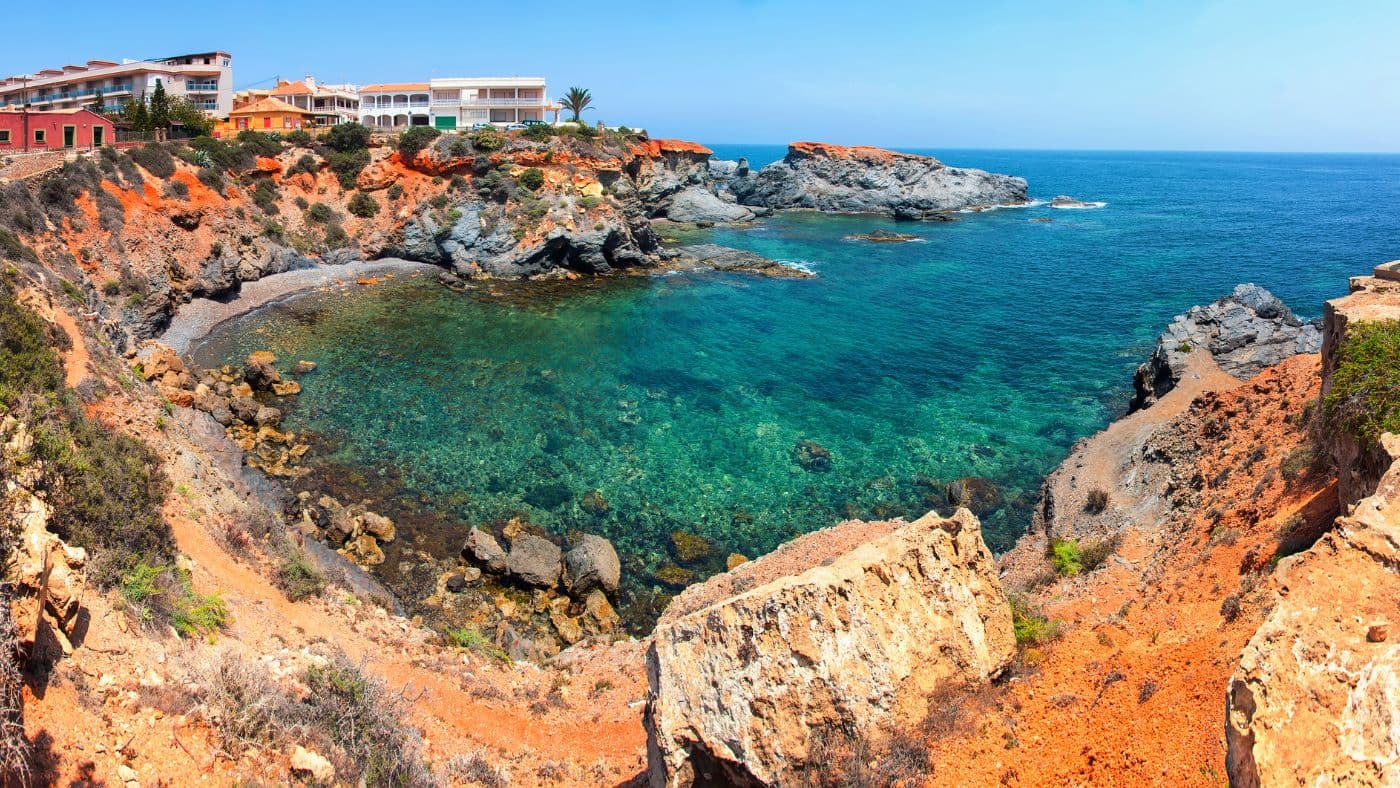
They call it the Costa Cálida for a reason. The Region of Murcia basks in more than 300 sunny days a year, with a Mediterranean coastline that swings between wide sandy beaches, crumbling sea cliffs and the extraordinary inland saltwater lagoon of the Mar Menor. Flanked by Andalusia to the west and the Valencian Community to the north, Murcia sits at Spain's southeastern elbow, quietly getting on with being one of the warmest, driest and least crowded corners of the country. Compared to the costa crowds further south, the beaches here feel like a well-kept secret.
Read more about the Region of Murcia
Ancient Cartagena and the Huerta Capital
Two cities anchor the region in very different ways. Cartagena wears its history on its sleeve, with a Roman theatre, Punic ruins and a harbour that has watched Carthaginians, Romans, Moors and Spanish kings come and go. The regional capital, Murcia city, is a lively university town built around a baroque cathedral that glitters above the Segura River. It is famous across Spain for the Holy Week processions, when the life-sized sculptures of Francisco Salzillo are carried through streets thick with candles and jasmine, and for the exuberant Burial of the Sardine festival that caps off the spring festivities.
The Garden of Europe
Murcia feeds much of Europe. The irrigated huertas stretching along the Segura River produce extraordinary quantities of tomatoes, peppers, lemons, peaches and apricots, and the region is among the continent's largest exporters of fruit and vegetables. Wine also plays a serious role, with the inland municipalities of Jumilla, Bullas and Yecla holding their own Denominaciones de Origen. On the table, this abundance translates into a cuisine that needs very little embellishment: caldero rice cooked with fish straight from the Mar Menor, salted sardines, zarangollo of courgette and egg, and pasteles de carne that have been feeding Murcians for centuries.
Mountains, Salt Lakes and Very Little Rain
Inland Murcia is a different world entirely. The driest autonomous community in Spain, it shifts from the subtropical coastal fringe to stark semi-arid landscapes and, further north, to the forested heights of the Revolcadores Massif where Los Obispos Peak tops out at over 2,000 metres. Natural parks protect much of this interior, offering walking, cycling and birdwatching well away from the coast. The region is small enough to move between sea and mountains in an afternoon, which makes it quietly satisfying for travellers who cannot quite decide whether they want a beach or a hike.
Official and Indigenous Names
- Region of Murcia (English)
- Región de Murcia (Spanish)
Region
- Iberia
Continent
- Europe
Resident population
1,568,492
2024 data
Capitals and seats of government
- Murcia
Currency
- Euro (EUR · €)
Driving side
- right side of the road
Electricity
Languages
Spanish
Official by law · Official in practice · ISO 639-3: spa
Spanish Sign Language
Official in practice · ISO 639-3: ssp
Largest cities by resident population
- Murcia · 459,778
2021 data
- Cartagena · 215,826
2021 data
- Lorca · 95,726
2021 data
- Molina de Segura · 73,593
2021 data
- Alcantarilla · 42,619
2021 data
Busiest airport by total passengers
- Región de Murcia International AirportRMU · 907,668 annual passenger movements
2024 data