
Ross Dependency
Territory of Realm of New Zealand
Out Score
coming soon.
Out Score coming soon.
We're freshly researching the laws for every identity lens against our updated methodology. The Ross Dependency's scores will appear here once they're published.
Learn about the Ross Dependency
Beyond the scoreLearn about the Ross Dependency.Official names, languages, local time and practical context for understanding the Ross Dependency beyond its legal score.
Destination overview
About the Ross Dependency.
The Ross Dependency covers a vast sector of Antarctica extending south from the Ross Sea towards the South Pole. New Zealand has maintained its claim since 1923, while the Antarctic Treaty sets territorial claims aside and reserves the continent for peaceful purposes and scientific cooperation. The landscape includes the Ross Ice Shelf, Ross Island, the Transantarctic Mountains, coastal ice and remote islands exposed to some of the planet’s most severe conditions.
Read more about the Ross Dependency
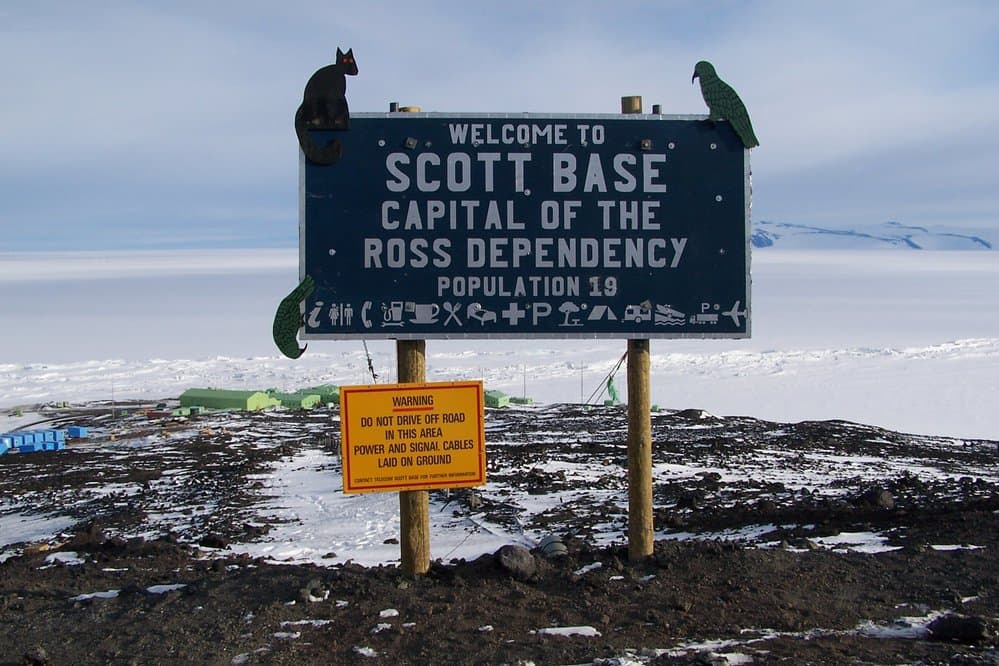
Scott Base stands at Pram Point on Ross Island and supports New Zealand’s Antarctic science programme. It operates throughout the year, but its population changes sharply with the seasons as scientists, tradespeople and operational staff rotate through short assignments. Nearby McMurdo Station and field facilities make this part of Antarctica an important logistics and research hub, even though it has no permanent resident community, ordinary towns or conventional civic services.
The region brings ice and volcanic geology into close proximity. Mount Erebus rises above Ross Island, while the McMurdo Dry Valleys expose rock where persistent winds limit snow and ice. Along the coast and sea ice, Adélie and emperor penguins, Weddell seals and other Antarctic wildlife depend on highly seasonal habitats. Environmental rules are strict, and scientific access is organised to reduce disturbance in a landscape where damage can last for decades.
Travel is exceptional rather than routine. Most people enter through national Antarctic programmes, approved research work or specialised expedition voyages, with access controlled by permits, weather, sea ice and logistics. There is no visitor infrastructure comparable with an inhabited destination, and independent travel is not practical. Landings may be cancelled or moved at short notice to protect people, wildlife and sensitive sites. Anyone considering an expedition should use an experienced Antarctic operator, understand the relevant permit and biosecurity requirements, and plan for delays in an environment where safety governs every movement.
Official and Indigenous Names
- Ross Dependency (English)
Region
- West Antarctica
Continent
- Antarctica
Resident population
No permanent population
Information reviewed 3 September 2026