
Philippines
Out Score
coming soon.
Out Score coming soon.
We're freshly researching the laws for every identity lens against our updated methodology. The Philippines's scores will appear here once they're published.
Learn about the Philippines
Beyond the scoreLearn about the Philippines.Official names, languages, local time and practical context for understanding the Philippines beyond its legal score.
Destination overview
About the Philippines.
Seven Thousand Islands, Infinite Beaches
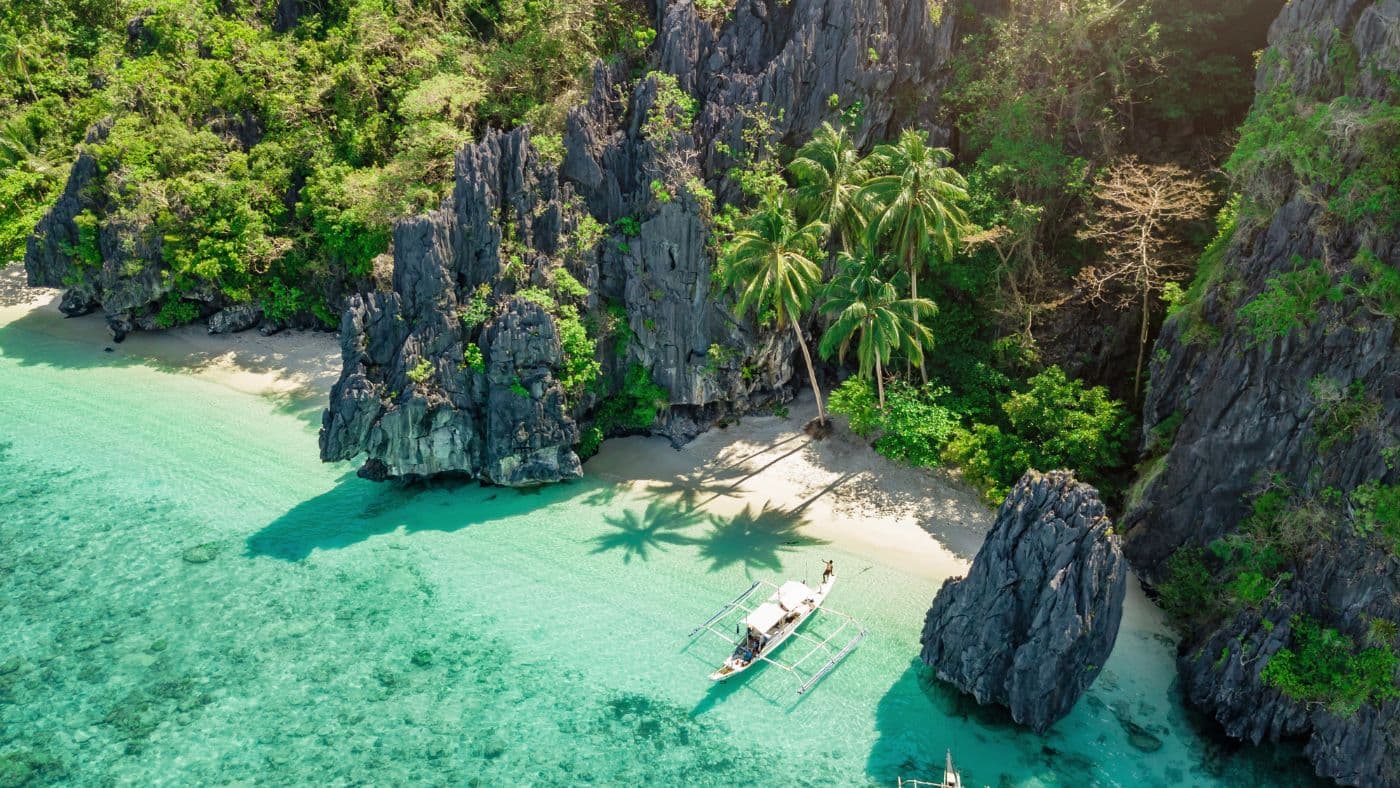
The Philippines is one of the world's great archipelagos, stretching across more than 7,600 islands between the South China Sea and the Pacific Ocean. From the powdery white shores of Palawan and Boracay to the black sand bays of Camiguin, the coastline shifts in character at every turn. Snorkellers drift above coral gardens bursting with colour, and surfers chase swells off Siargao year-round. Whether you come for a single island or attempt a hopscotch across several, the sea is never far away.
Read more about the Philippines
Ancient Rice Terraces and Mountain Mist
Climb inland and the landscape transforms entirely. The Banaue Rice Terraces carve emerald staircases into the Cordillera mountains of northern Luzon, a feat of engineering carved by the Ifugao people over two thousand years ago and now a UNESCO World Heritage Site. Further south, Mount Apo towers as the country's highest peak above the forests of Mindanao, drawing trekkers through cloud forest and geothermal vents. The highlands offer cool air, warm hospitality and a window into living indigenous culture that rewards the journey up.
Cities Full of Energy and History
Manila is loud, layered and endlessly surprising. The old walled city of Intramuros carries four centuries of Spanish colonial history within its stone ramparts, while just beyond its walls the megacity hums with street food, art galleries and some of Asia's liveliest nightlife. Cebu City, the country's second metropolis, anchors the central Visayas with heritage churches, bustling markets and a thriving dive industry. Davao in the south offers a slower, greener pace alongside the extraordinary durian fruit that locals champion with fierce affection.
Food, Festivals and Fiesta Spirit
Filipino cuisine draws from Spanish, Malay, Chinese and American influences into something entirely its own. Slow-roasted lechon arrives crackling at celebrations, sinigang sours beautifully in tamarind broth, and fresh kinilaw rivals any ceviche. The country's calendar is packed with fiestas, and every barrio will find a reason to parade, dance and feed its guests. The Sinulog in Cebu and the Pahiyas harvest festival in Lucban are among the most spectacular, but spontaneous celebrations flare up in smaller towns with equal joy.
Official and Indigenous Names
- Republic of the Philippines (English)
- Republika ng Pilipinas (Filipino)
Region
- South-East Asia
Continent
- Asia
Resident population
109,035,343
2020 data
Capitals and seats of government
- Maynila, ManilaMNL
Currency
- Philippine Peso (PHP · ₱)
Driving side
- right side of the road
Electricity
Languages
English
Official by law · ISO 639-3: eng
Useful phrases in English
- Hello
- Hello
- Goodbye
- Goodbye
- Please
- Please
- Thank you
- Thank you
- Excuse me
- Excuse me
Filipino
Official by law · ISO 639-3: fil
Current time and time zone
Philippine Standard TimePST
Asia/Manila
Largest cities by resident population
- Quezon CityMNL · 2,960,048
2020 data
- ManilaMNL · 1,846,513
2020 data
- Davao CityDVO · 1,776,949
2020 data
- Caloocan · 1,661,584
2020 data
- Cebu CityCEB · 964,169
2020 data
Busiest airports by total passengers
- Ninoy Aquino International AirportMNL · 50,100,000 annual passenger movements
2024 data
- Mactan-Cebu International AirportCEB · 11,320,000 annual passenger movements
2024 data
- Francisco Bangoy International AirportDVO · 4,200,000 annual passenger movements
2019 data
- Iloilo International AirportILO · 2,700,000 annual passenger movements
2023 data