
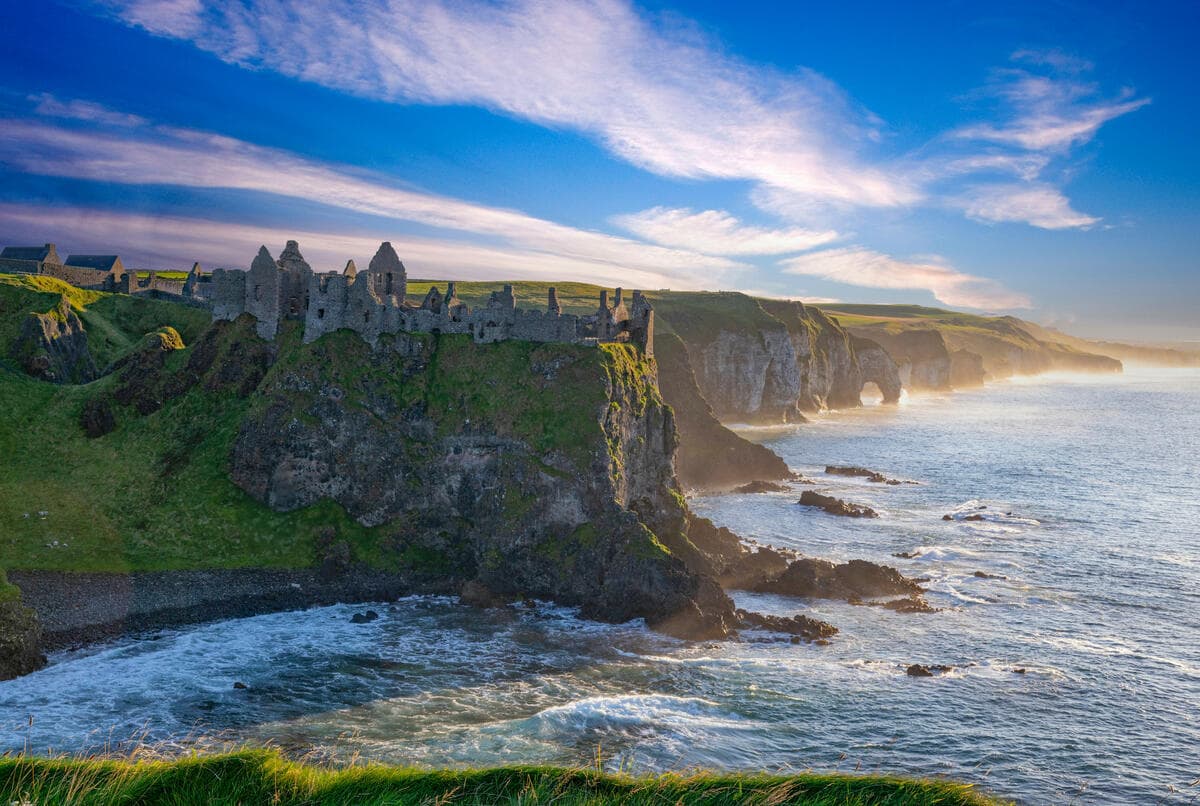
Ireland
Out Score
coming soon.
Out Score coming soon.
We're freshly researching the laws for every identity lens against our updated methodology. Ireland's scores will appear here once they're published.
Learn about Ireland
Beyond the scoreLearn about Ireland.Official names, languages, local time and practical context for understanding Ireland beyond its legal score.
Destination overview
About Ireland.
Ireland occupies most of the island of Ireland on Europe’s Atlantic edge, with Northern Ireland across the border to the north-east. Its compact scale brings a striking range of places within reach: Dublin’s Georgian streets and coastal suburbs, fertile midlands, limestone karst in the Burren, and a western seaboard shaped by cliffs, bays and islands. Irish and English are both woven into daily life, and the country’s strongest appeal lies in the close connection between landscape, local culture and living communities.
Read more about Ireland
Dublin combines institutions such as the National Museum of Ireland and the National Gallery with literary landmarks, neighbourhood pubs and walks beside the River Liffey and Dublin Bay. Beyond the capital, the Brú na Bóinne complex preserves Neolithic passage tombs including Newgrange, while the Rock of Cashel, medieval Kilkenny and Cork’s English Market reveal different layers of the country’s past and present. The Wild Atlantic Way links Donegal, Connemara, the Cliffs of Moher and the peninsulas of Kerry and Cork, with opportunities for hiking, cycling, surfing, boat trips and visits to Gaeltacht communities. Galway, Limerick and Waterford add strong food, music, festival and museum scenes without repeating Dublin’s character.
Ireland’s culture reflects Gaelic traditions, early Christian scholarship, Viking and Norman settlement, centuries of British rule, independence and rapid social change. Archaeological sites, monastic ruins, plantation towns and memorials to the Great Famine make that history visible, while the Irish language remains strongest in designated Gaeltacht areas. Traditional music and storytelling continue alongside contemporary literature, theatre, visual art and film. Visitors encounter a country that values hospitality, but its communities are not a backdrop: respectful travel means recognising local life, the distinct history of Northern Ireland, and the environmental pressure that popular coasts and heritage sites can face.
Most international journeys begin through Dublin Airport, with Cork and Shannon providing useful gateways to the south and west; ferries also connect several ports with Great Britain and continental Europe. Intercity rail and coach services link the main cities and larger towns, while buses, trams and commuter rail make Dublin relatively easy to explore without a car. Rural public transport reaches many smaller communities, but a car can be practical for dispersed coastal and mountain areas, where roads may be narrow and journey times longer than distance suggests. Accommodation ranges from city hotels and hostels to guesthouses, self-catering cottages and rural stays. Demand is strongest in summer and around major festivals, so planning ahead matters when a trip centres on popular routes or small communities.
Photo gallery
5 images from Ireland
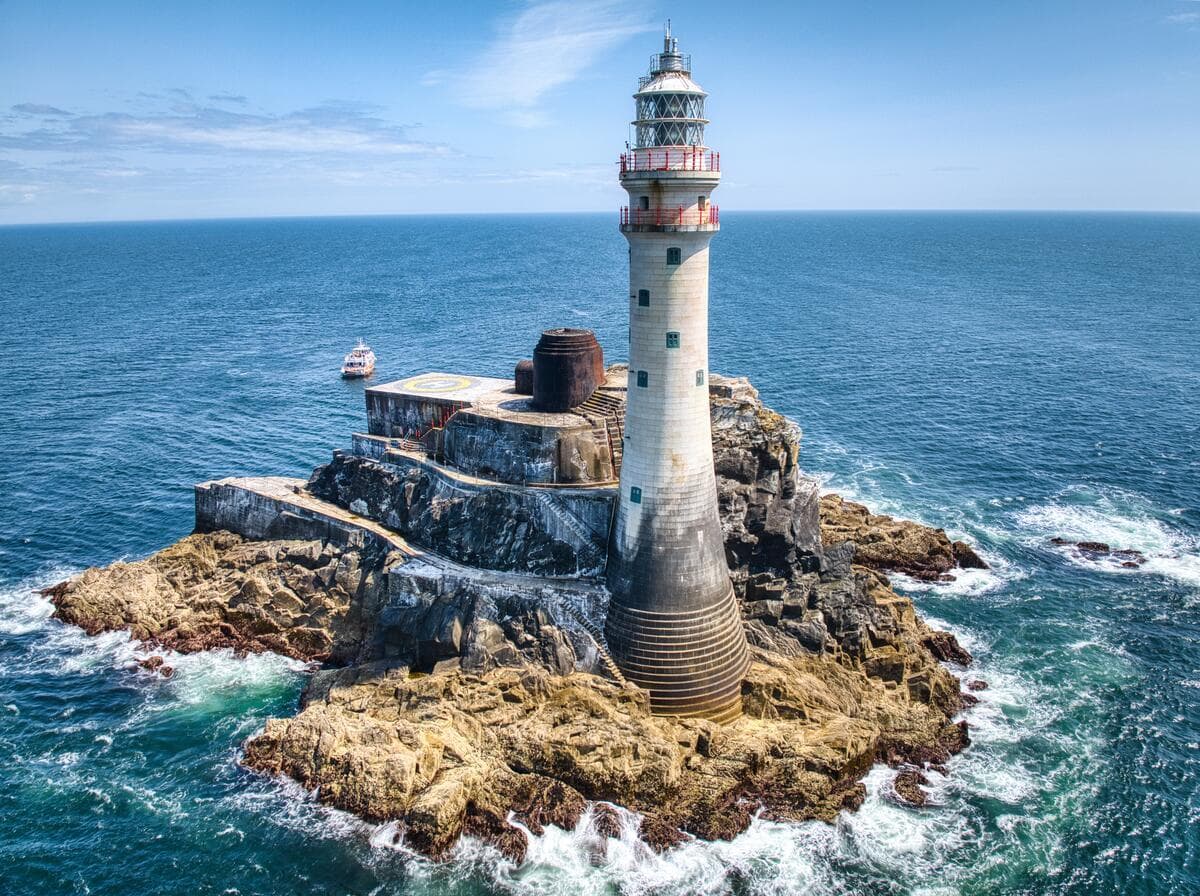
Fastnet Lighthouse, Cork
Image credit: Tourism Ireland by Joshua Hannah
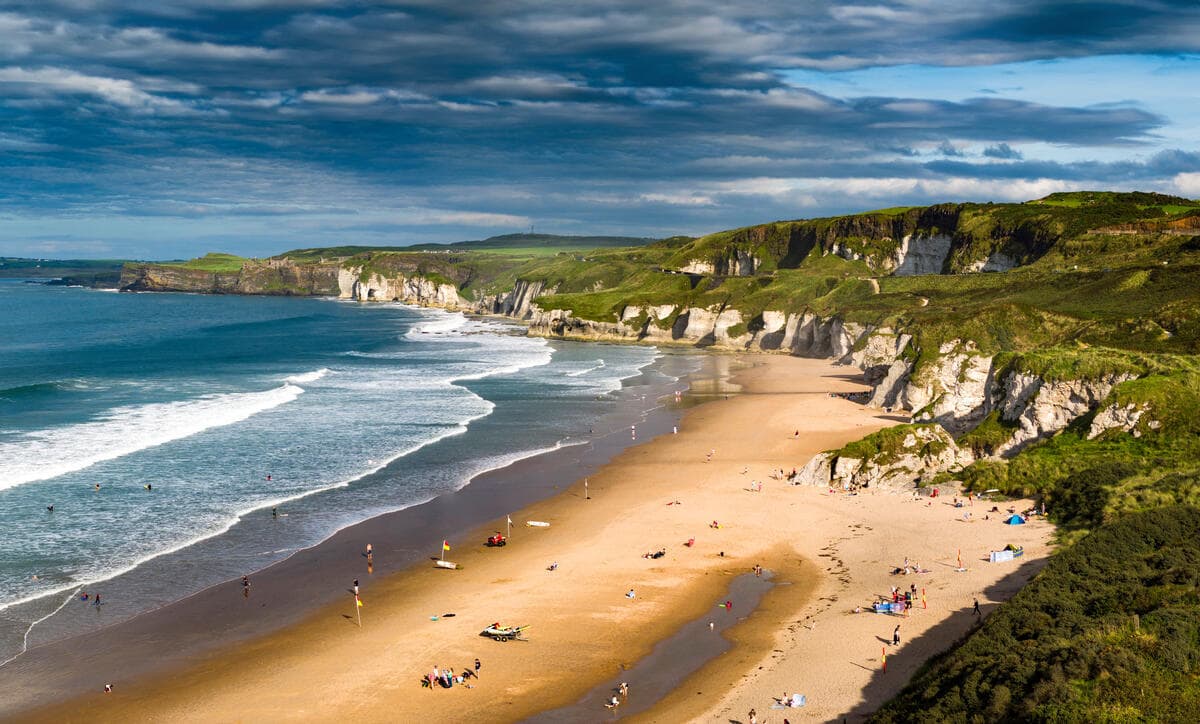
Whiterocks Beach, Antrim
Image credit: Paul Lindsay @ Chris Hill Photographic
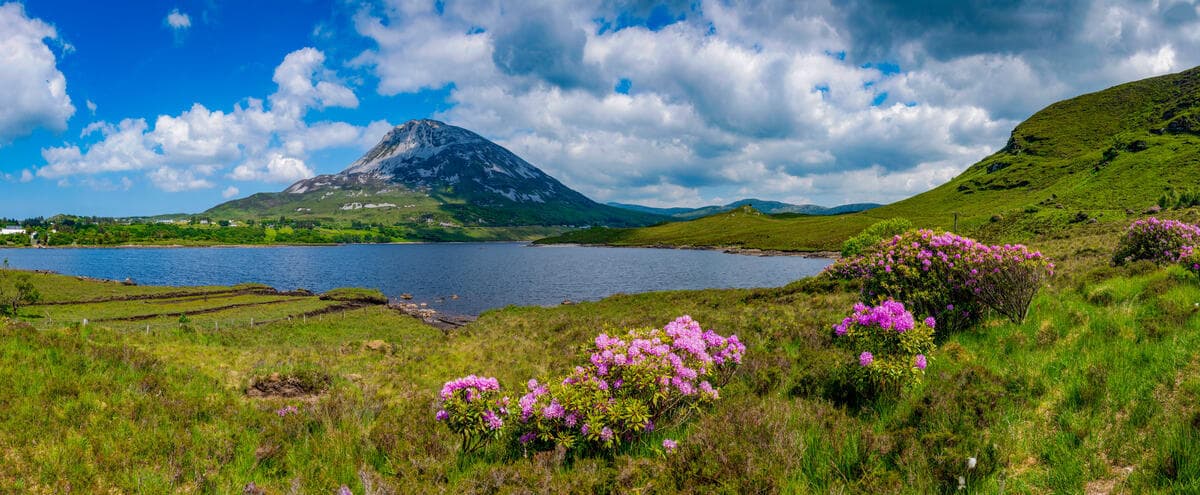
Errigal, Donegal
Image credit: Chris Hill @ Tourism Ireland
Show 2 more photos
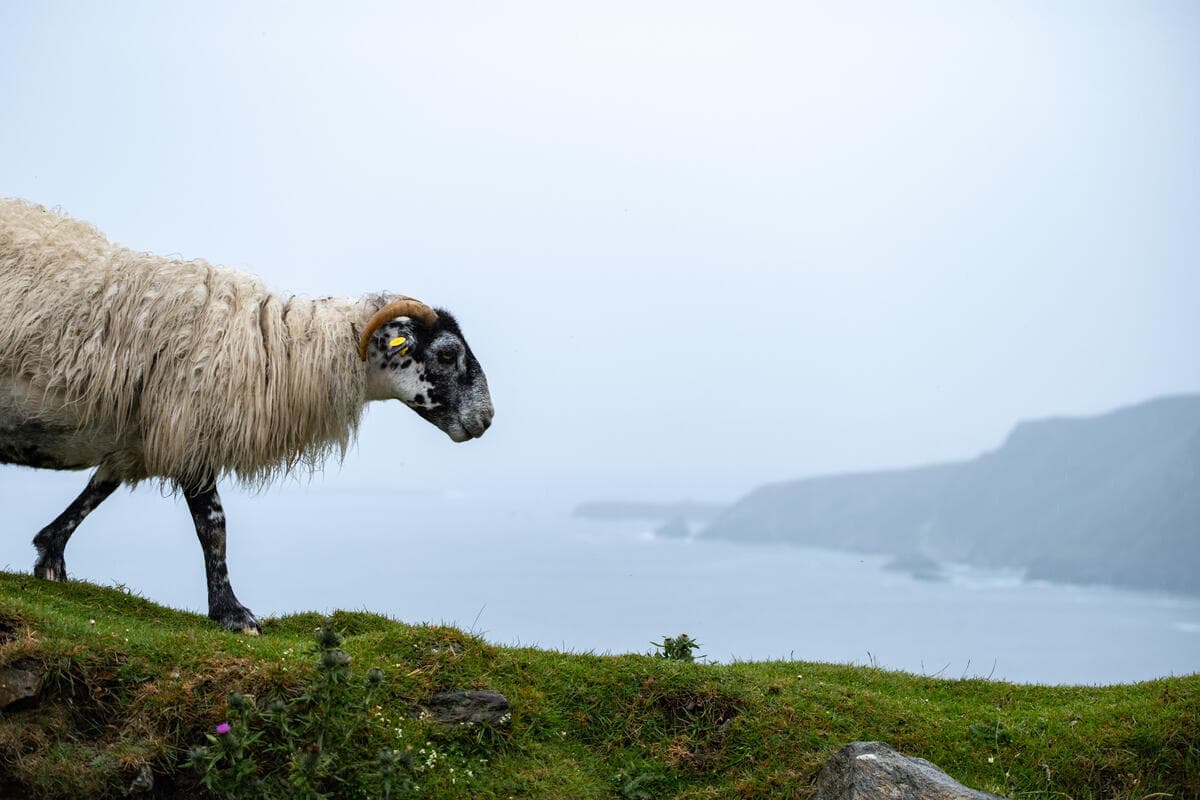
Sheep in Donegal
Image credit: Diana Jarvis
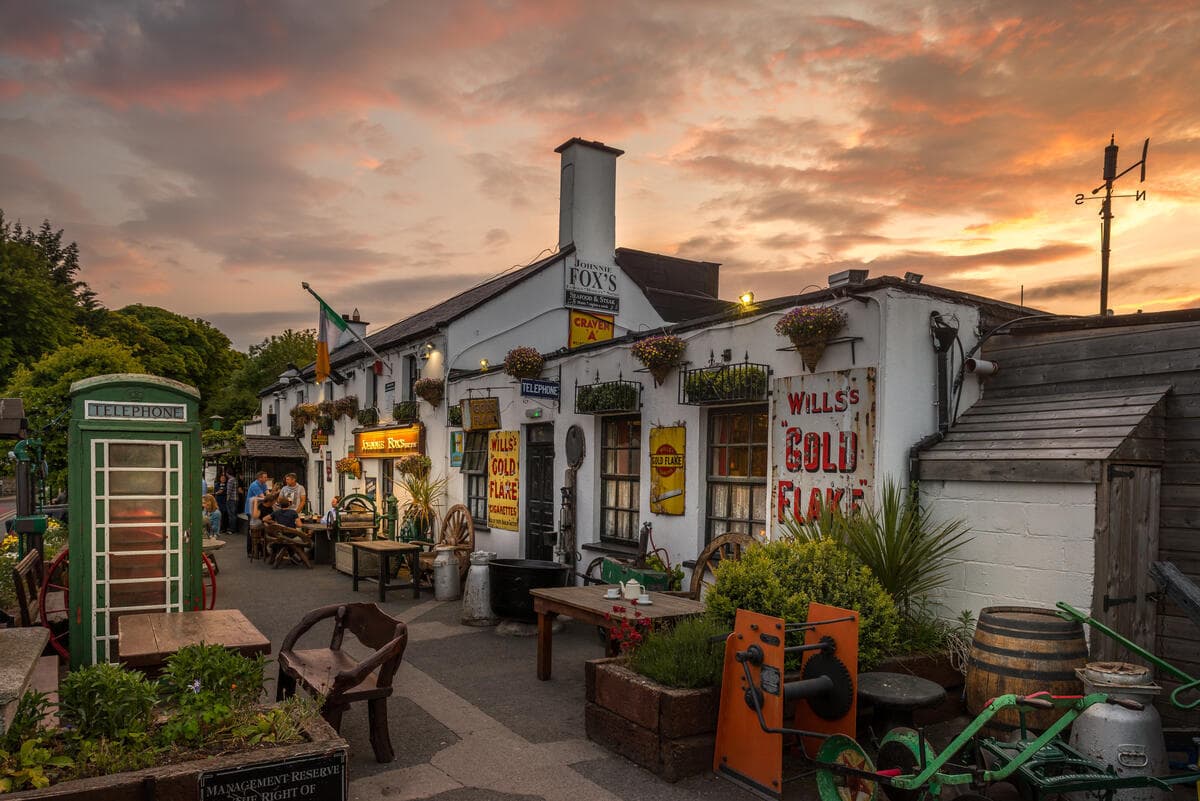
Johnnie Fox's Pub and Restaurant, Dublin Mountains, Dublin
Image credit: ANDIKDUBLIN.com_Johnnie Fox's pub and Restaurant,Dublin
Official and Indigenous Names
- Ireland (English)
- Éire (Irish Gaelic)
Region
- British Isles
Continent
- Europe
Resident population
5,525,600
2026 data
Capitals and seats of government
- Baile Átha Cliath, DublinDUB · Capital
Resident Population 1,263,219
2022 data
Currency
- Euro (EUR · €)
Driving side
- left side of the road
Electricity
Languages
English
Official by law · ISO 639-3: eng
Useful phrases in English
- Hello
- Hello
- Goodbye
- Goodbye
- Please
- Please
- Thank you
- Thank you
- Excuse me
- Excuse me
Irish Gaelic
Official by law · Indigenous · ISO 639-3: gle
Irish Sign Language
Official by law · Indigenous · ISO 639-3: isg
Current time and time zone
Irish TimeGMT
Europe/Dublin · Standard GMT, daylight IST
Largest cities by resident population
- DublinDUB · 1,263,219Urban Area
2022 data
- CorkORK · 222,526Urban Area
2022 data
- Limerick · 102,287Urban Area
2022 data
- GalwayGWY · 85,910Urban Area
2022 data
- Waterford · 60,079Urban Area
2022 data
Busiest airports by total passengers
- Dublin AirportDUB · 36,402,926 annual passenger movements
2025 data
- Cork AirportORK · 3,461,453 annual passenger movements
2025 data
- Shannon AirportSNN · 2,239,668 annual passenger movements
2025 data
- Ireland West Airport KnockNOC · 945,862 annual passenger movements
2025 data
- Kerry AirportKIR · 440,180 annual passenger movements
2025 data
Information reviewed 30 August 2026