
Wallonia
Region of Belgium
Out Score
coming soon.
Out Score coming soon.
We're freshly researching the laws for every identity lens against our updated methodology. Wallonia's scores will appear here once they're published.
Learn about Wallonia
Beyond the scoreLearn about Wallonia.Official names, languages, local time and practical context for understanding Wallonia beyond its legal score.
Destination overview
About Wallonia.
Where History Echoes Through Every Valley
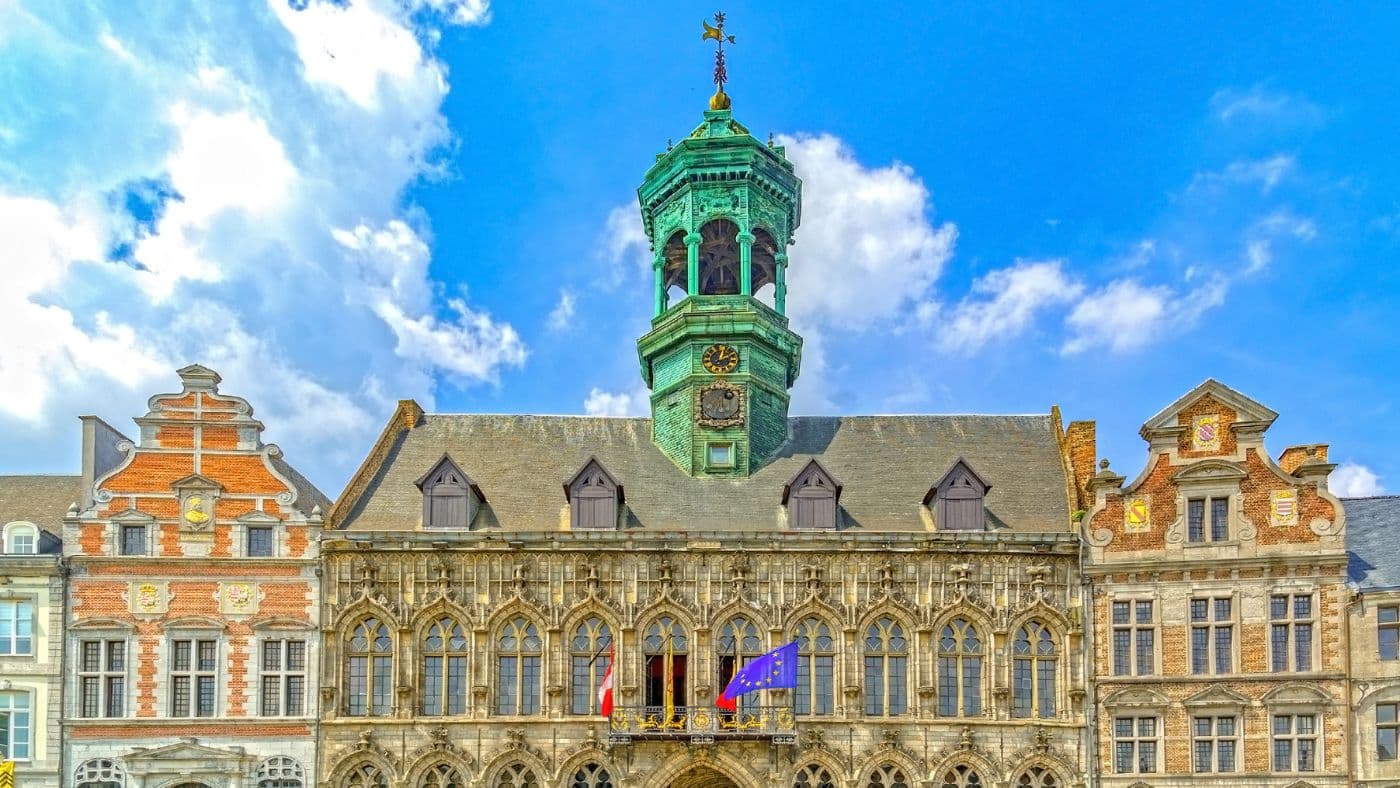
Wallonia occupies the rolling southern half of Belgium, where the River Meuse carves its way through limestone cliffs and the Ardennes forest stretches to the horizon. The region's five provinces each bring their own character, from the former industrial heartland around Charleroi and Liège to the quiet woodlands of the province of Luxembourg in the south. Medieval citadels perch above river confluences, UNESCO listed boat lifts stand as monuments to engineering ambition, and carnival traditions in towns like Binche have been celebrated for centuries.
Read more about Wallonia
A Table Set with Generosity
Walloon cuisine leans into comfort and abundance, drawing on a tradition of hearty cooking shaped by working communities and fertile farmland. Local specialities like boulets à la liégeoise (meatballs in a sweet and sour sauce) and flamiche (a rich cheese tart) sit alongside Belgium's celebrated beer and chocolate culture. The region produces its own Trappist ales at Chimay and Rochefort, and the town of Dinant claims to be the birthplace of the hard biscuit known as couque de Dinant.
Rivers, Trails and Open Skies
Outdoor pursuits run through Wallonia like the rivers that define its landscape. The Ardennes offers some of the finest walking, cycling and kayaking in northern Europe, while the Hautes Fagnes nature reserve near the German border protects a rare expanse of peat bog and moorland. Caves at Han sur Lesse and Rochefort draw visitors underground, and the region's quieter pace of life makes it a natural counterpoint to the busier cities further north.
Festivals, Folklore and a Living Culture
Wallonia has a deep attachment to local folklore and communal celebration. The Carnival of Binche, with its iconic Gilles in wax masks and ostrich feather headdresses, is inscribed on the UNESCO Intangible Heritage list. Throughout the year, towns host ducasses, marches and processions rooted in centuries of tradition. The Walloon language, though less widely spoken than a generation ago, still colours local expression and place names, and cultural institutions across the region work to keep it alive.
Official and Indigenous Names
- Walloon Region (English)
- Région wallonne (French)
- Wallonische Region (German)
Region
- Western Europe
Continent
- Europe
Resident population
3,692,283
2024 data
Capitals and seats of government
- Nameur, Namur
Currency
- Euro (EUR · €)
Driving side
- right side of the road
Electricity
Type C (Europlug) devices also fit Type E sockets.
Languages
French
Official by law · ISO 639-3: fra
German
Official by law · ISO 639-3: deu
Luxembourgish
Indigenous · ISO 639-3: ltz
Picard
Indigenous · ISO 639-3: pcd
Walloon
Indigenous · ISO 639-3: wln
Current time and time zone
Central European TimeCET
Europe/Brussels · Standard CET, daylight CEST
Largest cities by resident population
- Charleroi · 205,763
2025 data
- LiègeLGG · 197,323
2025 data
- Namur · 115,029
2025 data
- Mons · 97,120
2025 data
- La Louvière · 81,908
2025 data
Busiest airport by total passengers
- Brussels South Charleroi AirportCRL · 10,504,554 annual passenger movements
2024 data